
Basil Greek
Everything you need to know about growing, harvesting and enjoying Greek Basil microgreens at home.
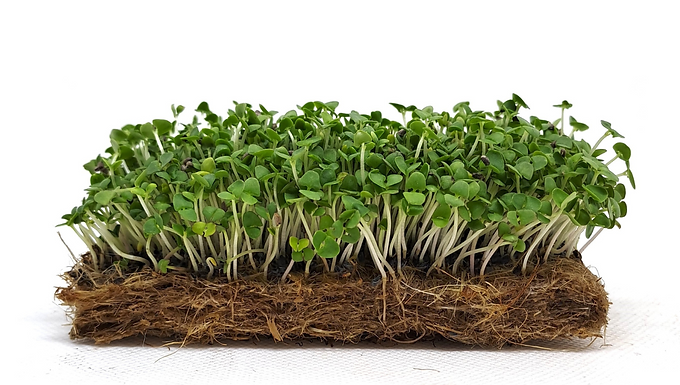
Aromatic · Fresh · Delicate
Basil Greek microgreens are beautifully aromatic, with tender young leaves and the unmistakable fragrance of fresh basil. Their flavour is fresh and herbaceous with a gentle sweetness, making them an elegant addition to both everyday meals and more carefully finished dishes.
Like other basil varieties, Greek Basil grows more slowly than many common microgreens, but its distinctive aroma and delicate appearance make it well worth the extra patience.
Flavour
Aromatic · Fresh · Slightly sweet
Greek Basil has a concentrated herbal character with gentle sweetness and fresh basil notes. Its small young leaves can bring noticeable aroma and flavour even when used sparingly.
Growing Level
Moderate
Greek Basil has very small, mucilaginous seeds and prefers warm, stable growing conditions. Careful moisture management is particularly important during germination and early growth.
Growing Time
Approximately 14–21 days
Greek Basil develops more slowly than fast-growing varieties such as radish or broccoli. Temperature, light and moisture can influence development considerably, so visual maturity should be your main harvest guide.
Soaking
No soaking required.
Greek Basil seeds become mucilaginous when exposed to water, developing a natural gel-like coating. Sow them directly onto a thoroughly moistened growing mat rather than soaking them beforehand.
Germination
After sowing, keep the seeds warm and consistently moist without saturating the growing mat.
The gel-like coating that forms around wet basil seeds is completely normal. Avoid disturbing the tiny seeds while their first roots become established.
Once the seedlings are established, introduce them to light.
Watering
Greek Basil prefers consistent moisture but does not like overly wet growing conditions.
Water gently during the earliest stage so the small seeds remain undisturbed. Once the roots are established, bottom watering is preferable.
Maintain good airflow and avoid allowing the growing mat to remain waterlogged.
Light
Once established, place Greek Basil in a bright location with good indirect natural light or beneath a suitable grow light.
Adequate light encourages compact growth, healthy green foliage and stronger development.
When to Harvest
Harvest when the young plants are well established, the foliage has developed and the characteristic basil aroma is noticeable.
Greek Basil grows more slowly than many microgreens, so allow the plants time to develop rather than relying only on a fixed number of days.
Cut just above the growing mat using clean scissors or a clean, sharp blade.
Best With
Tomatoes · Mozzarella · Pasta · Pizza · Salads · Eggs · Fish · Mediterranean-inspired dishes
Its aromatic character makes Greek Basil particularly lovely as a finishing herb. Add it shortly before serving whenever possible to preserve its fresh fragrance and delicate texture.
Storage
For the best quality, harvest only what you need whenever possible.
If storing harvested microgreens, make sure they are dry before placing them in a clean container in the refrigerator. Excess moisture can shorten their freshness.
Wash before eating and enjoy while fresh.
Good to Know
Greek Basil is known for its naturally compact growth and small leaves. As a microgreen, this gives it a particularly delicate appearance compared with larger-leaved basil varieties.
Like Basil Green, its seeds are mucilaginous and naturally form a gel-like coating when wet. This is part of normal germination and is why the seeds should not be soaked.
Why Grow Basil Greek?
Greek Basil brings together delicate appearance and beautifully recognisable flavour. Its smaller foliage makes it especially attractive as a finishing microgreen, while its fresh aroma can transform even a very simple dish.
It may ask for a little more patience, but it brings something genuinely different to the growing tray.
Grow it. Cut it fresh. Finish beautifully.
